

What is happening in Chile? Even for Chileans it is difficult to provide a good answer as well as to find the exit for the tunnel. For me, the best word to describe 2021´s Chile is uncertainty. It has the name of the main political responsible, President Sebastián Piñera. It also has a collective face, that of the voters, the ones who elected the 155 constituents that will write the proposal for a new constitution.
The basic question is if there will be a similar negotiation to the one which came after the 1988 plebiscite and the transition to democracy. The truth is that there seems to be no willingness for a dialogue.
Today there is a constituent majority against traditional symbols of union like the national anthem, the flag or the country`s Christian heritage, and a new version of a known tale of power around the world: new groups which have arisen criticizing privileges only to claim them as soon as they arrive, or groups elected on a platform critical to politics, only to rapidly became new political parties. Besides, populism and even ignorance of their task, proposing themselves as a sort of superpower over the existing three powers of the state.
Above all, the idea of refunding the country and rejecting its history. Pepe Mujica, the respected former president of Uruguay has described this Constitutional Convention as a “cat bag”.
To blame the actions of other countries and equate it with similar institutions in other places is easy, but has one big problem when it lifts responsibility from the Chileans in this outcome, either the president of the republic or the voters, those who voted and those who did not. Also, the responsibility of those authorities behind a system in which not all suffrage were the same, because there were seats reserved for first nations, a parity system for men and women, and quite a surprise, more women had to resign their positions to males with fewer votes.
Responsibility is in the hands of Sebastián Piñera who probably gave the constitution away to save his position, as a result of the police being surpassed by a violent outbreak in October 2019 and the stability of the government was in danger.
Piñera had been elected in 2017 with a very different platform and not only disrespected his voters, but also his main legal duty with the rule of law.
It was him that unexpectedly proposed this path, when the political forces that subscribed it could have started to discuss the constitutional reform proposed by former president Michelle Bachelet in the last days of her second government, after Piñera´s election. This could have been the alternative in Congress for a big reform.
Perhaps behind his decision was his interest to be remembered in history books for students, vanity which can sink his legacy, because the present uncertainty can take him to the list of the worst presidents.
Last, his failed government is also important for the question if Chile has leaders for this new political stage. It is not only a Chilean problem, because it is also a legitimate question mark in other countries. In Chile there is a need to know if the country will have a similar leader as was former president Patricio Aylwin in 1990.
And to say that he supported the military coup of 1973 but also the head of a very successful transition to democracy is not contradictory, but simply a history without bias
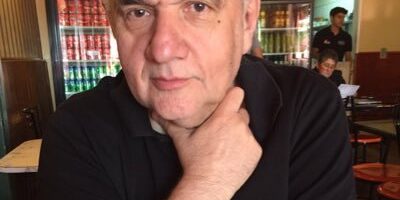
(*) Lawyer (University of Chile, University of Barcelona); Ph.D. in Political Science (Government, University of Essex); presidential candidate (Chile, 2013)
The basic question is if there will be a similar negotiation to the one which came after the 1988 plebiscite and the transition to democracy. The truth is that there seems to be no willingness for a dialogue.
Today there is a constituent majority against traditional symbols of union like the national anthem, the flag or the country`s Christian heritage, and a new version of a known tale of power around the world: new groups which have arisen criticizing privileges only to claim them as soon as they arrive, or groups elected on a platform critical to politics, only to rapidly became new political parties. Besides, populism and even ignorance of their task, proposing themselves as a sort of superpower over the existing three powers of the state.
Above all, the idea of refunding the country and rejecting its history. Pepe Mujica, the respected former president of Uruguay has described this Constitutional Convention as a “cat bag”.
To blame the actions of other countries and equate it with similar institutions in other places is easy, but has one big problem when it lifts responsibility from the Chileans in this outcome, either the president of the republic or the voters, those who voted and those who did not. Also, the responsibility of those authorities behind a system in which not all suffrage were the same, because there were seats reserved for first nations, a parity system for men and women, and quite a surprise, more women had to resign their positions to males with fewer votes.
Responsibility is in the hands of Sebastián Piñera who probably gave the constitution away to save his position, as a result of the police being surpassed by a violent outbreak in October 2019 and the stability of the government was in danger.
Piñera had been elected in 2017 with a very different platform and not only disrespected his voters, but also his main legal duty with the rule of law.
It was him that unexpectedly proposed this path, when the political forces that subscribed it could have started to discuss the constitutional reform proposed by former president Michelle Bachelet in the last days of her second government, after Piñera´s election. This could have been the alternative in Congress for a big reform.
Perhaps behind his decision was his interest to be remembered in history books for students, vanity which can sink his legacy, because the present uncertainty can take him to the list of the worst presidents.
Last, his failed government is also important for the question if Chile has leaders for this new political stage. It is not only a Chilean problem, because it is also a legitimate question mark in other countries. In Chile there is a need to know if the country will have a similar leader as was former president Patricio Aylwin in 1990.
And to say that he supported the military coup of 1973 but also the head of a very successful transition to democracy is not contradictory, but simply a history without bias
(*) Lawyer (University of Chile, University of Barcelona); Ph.D. in Political Science (Government, University of Essex); presidential candidate (Chile, 2013)
“The opinions published herein are the sole responsibility of its author”.